

Good health care is not only about treating illness after symptoms become severe. Routine primary care provides a regular, familiar space for your everyday health concerns, new worries, prevention, medications and chronic health conditions.
A trusted clinician can also organize testing, monitor changes, and decide when another type of care is more appropriate. It’s important to note that continuity provides helpful context since your past, medications, risk factors, and goals can be used to inform each decision.
What Are Primary Care Services?
Primary Care refers to first contact medical care for the purposes of prevention, diagnosis, treatment, monitoring, and coordination of common health problems. When you need a checkup, have a non-emergency symptom, need assistance in managing a chronic condition or are not sure what kind of medical care you need, you typically begin with primary care.
What Services Are Included in Primary Care?
Primary care health services can include prevention, diagnosis, treatment, management of chronic conditions, medication review, testing and referral. Services may vary according to health needs and the scope of the clinic.
Preventive Care and Routine Health Checkups
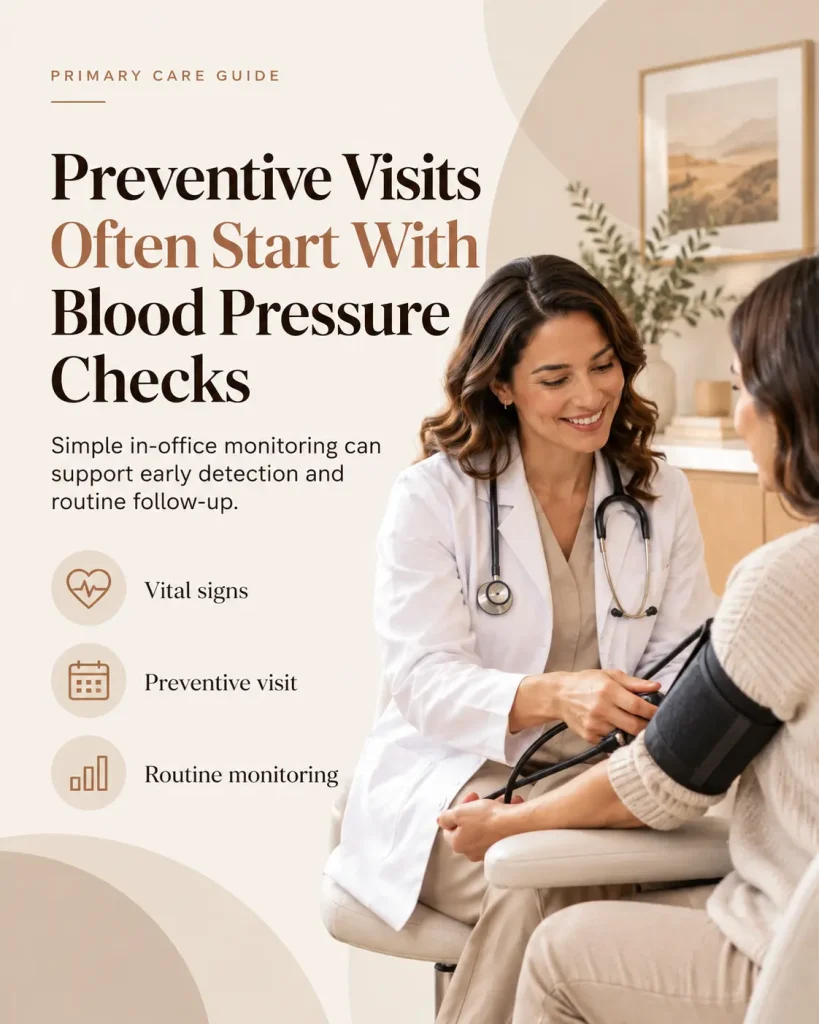
Primary health care services may include blood pressure checks, weight assessment, vaccination review, medical history updates, and Recommended Screenings. These preventive services are determined by age, family history, existing conditions and individual risk factors.
Diagnosis and Treatment of Common Illnesses
Primary health services are also able to take care of your non-emergency issues, such as colds, respiratory infections, urinary symptoms, headaches, digestion concerns and minor skin issues. Your clinician will perform a physical exam and may order testing if necessary and suggest treatment or follow-up.
Chronic Condition Management
Chronic condition management is for those with high blood pressure, diabetes, high cholesterol, thyroid disorders and other chronic conditions. A follow-up can comprise of symptom review, laboratory monitoring, medication changes and lifestyle advice as needed.
Health Screenings and Diagnostic Testing
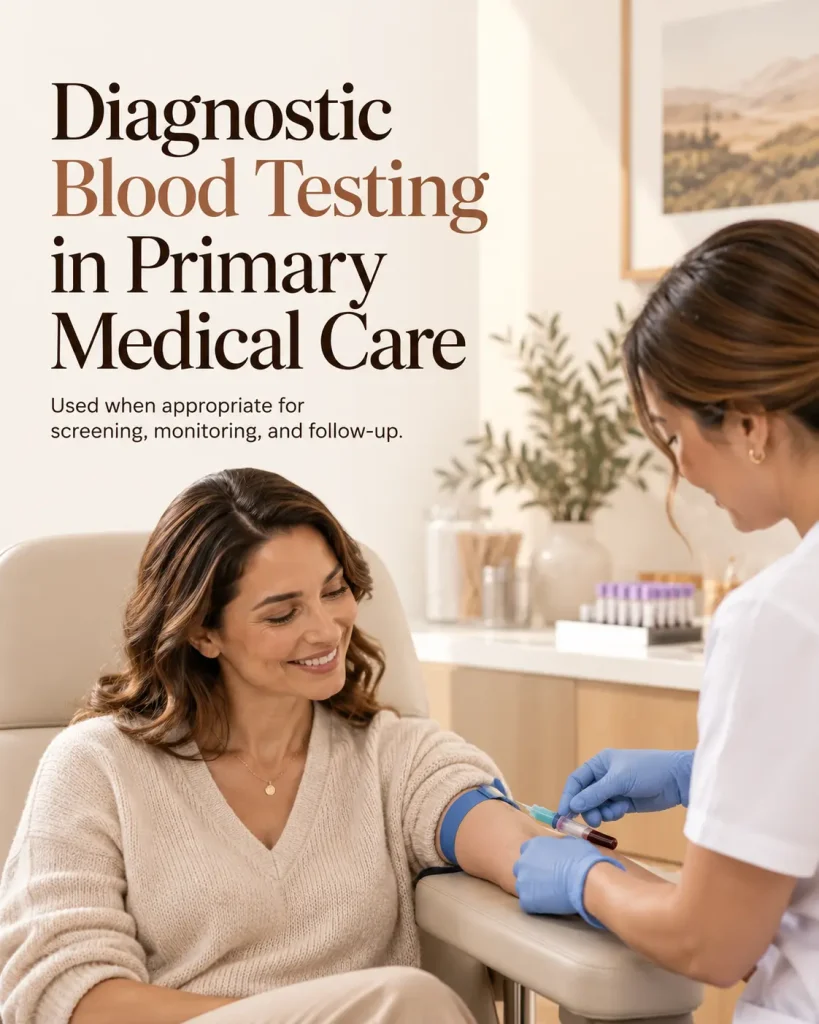
When appropriate, blood, urine, cholesterol, diabetes, thyroid tests and other Diagnostic Tests may be used as part of integrated medical services. Testing should be directed by symptoms, medical history, or as a result of a risk factor assessment or need for continuous monitoring.
Medication Management
Medication management includes side effects of medications, over-the-counter medications, supplements, reviewing prescriptions, and possible interactions. Periodic checks to ensure that the treatment is still needed, particularly if more than one health condition is being treated and medications are changing.
Referrals and Care Coordination
Care coordination helps you get help from specialists, imaging or diagnostic services, or other healthcare professionals if necessary. Your clinician will be able to suggest the next step and keep vital medical information in order between providers.
Who Provides Primary Care?
A primary clinician is a health care provider that is responsible for ongoing health care needs, preventive care, and treatment of common and chronic conditions, and makes referrals for additional evaluation as necessary. The provider you choose will depend on your age, health and the services that are available.
Primary Care Physicians
Family physicians, internists, and paediatricians are typical primary care physicians. Training influences their age populations and health needs they treat, from childhood health to preventive and chronic health management in adults.
Nurse Practitioners and Physician Assistants
Additionally, nurse practitioners and physician assistants may also be able to deliver many routine medical services in their education, licensing, scope of practice, and clinical environment. May conduct exams, order tests, prescribe medications with authority and address ongoing health issues.
| Provider Type | Typical Training | Common Patient Focus |
| Family Physician | MD or DO with family medicine residency | Children, adults, and older adults |
| Internist | MD or DO with internal medicine residency | Adults |
| Pediatrician | MD or DO with pediatrics residency | Infants, children, and adolescents |
| Nurse Practitioner (NP) | Graduate-level nursing education and clinical training | Varies by specialty and practice |
| Physician Assistant (PA) | Graduate-level PA education and clinical training | Varies by specialty and practice |
What Does a PCP Do and Why Does It Matter?
A PCP supports your health decisions over time based on your medical history, current issues, test results, treatments, and health changes. This ongoing relationship can lead to more consistent evaluation and follow-up.
- Builds a health history: Keeps important information about past conditions, medications, allergies, test results, and previous treatments in context.
- Tracks changes over time: Compares new symptoms or results with your previous health information to identify meaningful changes.
- Guides next steps: Assists with making decisions as to when monitoring is sufficient and when more testing, treatment, or a specialist evaluation would be appropriate.
- Supports informed decisions: Explains findings and treatment options so you can understand recommendations and take an active role in your health.
When Should You Schedule a Primary Care Visit?
Make an appointment with your clinician for routine prevention, new or unusual health concerns, scheduled monitoring or treatment follow-up. Timing varies based on your symptoms, medical history, risk factors and ongoing treatment.
Routine and Preventive Visits
Regular visits are fine even if you’re feeling fine. The frequency of use will depend on your age, medical history, risk factors, results from your tests and recommendations from your clinician.
New Symptoms or Health Concerns
Schedule an appointment if new symptoms occur, return, or become more disruptive or if they are interfering with other activities. Other sudden, debilitating chest pain, significant shortness of breath, stroke symptoms, diffuse bleeding, or other serious, life-threatening issues should be evaluated in an emergency.
Ongoing Health Conditions
Continue to follow up long-term conditions to monitor your health, test results and treatment response. Your follow-up interval should be determined by your condition and individual circumstances by your clinician.
Medication or Treatment Follow-Ups
Follow-up can follow the initiation or change of medication, side effects, completion of testing, or a new treatment plan. Contact your clinician if you have questions about a prescription or if symptoms change unexpectedly.
What Happens During a Primary Care Appointment?
A primary care appointment typically revolves around your current issues, medical history, and any follow-up care requirements. The visit will be scheduled according to the purpose of the visit.
- Review of symptoms and health concerns
- Medical and family history update
- Medication and allergy review
- Vital signs such as blood pressure, pulse, and weight
- Physical exam as indicated if clinically indicated
- Review of previous test results or records
- Laboratory testing or other diagnostic orders as required
- Advice on treatment, medication changes, or lifestyle advice
- Plan for follow up or specialist referral if applicable
It can be helpful to take a current list of medications and to have your primary concerns addressed in advance.
What Is the Difference Between Primary Care, Urgent Care, and Emergency Care?
This will depend on the seriousness of the issue, speed of evaluation required, and continuity with current clinician.
| Care Setting | Generally Appropriate For | Examples |
| Primary Care | Routine, preventive, ongoing, and non-emergency needs | Checkups, follow-up visits, stable chronic conditions |
| Urgent Care | Problems that require prompt attention but are not considered life-threatening | Minor injuries, some infections, sudden non-emergency symptoms |
| Emergency Care | Serious or potentially life-threatening conditions | Severe chest pain, stroke symptoms, major trauma, serious breathing difficulty |
Urgent care can be helpful when a problem should not wait for a scheduled visit to the office and your normal office is closed. Emergency symptoms should be assessed by emergency medical services or emergency department.
What’s the Difference Between Primary Care and Primary Health Care?
1. Primary Care
Most often, the word primary care is used to describe any initial clinical services from a regular health care provider or health care practice. This typically involves regular health checks, preventive services, and treatment for common health issues, as well as chronic disease management and continued care.
2. Primary Health Care
Primary health care can also be used to refer to more broadly accessible health services that encompass prevention, health promotion activities, treatment and community level health needs. May include a broader range of health support beyond the scope of a clinical visit.
In everyday U.S. clinical use, these terms can sometimes overlap, so their exact meaning depends on the context in which they are used.
What Is Primary Care Vs. Secondary Care?
| Level | Main Purpose | Examples |
| Primary Care | First-contact, preventive, and ongoing medical needs | Checkups, common illnesses, chronic-condition monitoring |
| Secondary Care | Specialist evaluation or treatment | Cardiology, dermatology, orthopedics |
| Tertiary Care | Highly specialized medical treatment | Complex surgery, transplantation, advanced cancer treatment |
How Do Integrated Medical Services Support Primary Care?
Integrated medical services link various aspects of your health care system together to review essential information. This may include diagnostic testing, medication review, chronic condition monitoring, and referrals when additional evaluation is needed.
Coordinated records, test results, and treatment plans mean that your provider will have access to a more complete picture of your health when making treatment decisions.
How Often Should You See Your Primary Clinician?
There is no single schedule that is appropriate for everyone. The number of visits will vary based on your age, past history, risk factors, current situation, medications, past results, and your clinician’s recommendations.
People with a general healthy condition may need different follow up needs from those with an ongoing condition or a recent abnormal finding or a new treatment.
Preventive screening intervals also vary. Recommendations should not be made according to a universal timetable for all adults.
How Do You Choose the Right Primary Care Clinician?
While clinical qualifications are important, it’s not the only thing that is important. Other factors could also impact the long term viability of a practice, such as accessibility, available services, communication and follow-up.
1. Verify Qualifications
Ensure the clinician is appropriately educated, trained and licensed to provide medical services.
2. Choose the Appropriate Provider Type
Think about if a family physician, internist, nurse practitioner, physician assistant or other qualified individual is a good options for your age and medical needs.
3. Review the Clinic’s Scope
Review service offerings and if the practice can help with your health or care requirements for a routine or chronic condition that is relevant to you.
4. Consider Location and Appointment Access
Follow up can be easier when it’s at a convenient place, when appointments are available, and when there’s good communication.
5. Confirm Insurance and Payment Policies
Check with the clinic and health plan if possible for insurance participation, out-of-pocket expenses and payment policies.
6. Choose Someone You Can Communicate With Comfortably
Should be comfortable discussing symptoms, questions, concerns, and recommendations. Good communication supports you to be a part of health decisions.
How Can You Find Primary Care in Burbank, CA?
Selecting a practice that’s near you can be more convenient for routine visits, follow-up and diagnostic testing. If you need Primary Care Services in Burbank CA, consider the clinic’s medical scope, provider qualifications, appointment access, insurance participation, and ability to coordinate follow-up.
If you are looking for a primary care provider in Burbank CA, our clinic offers primary medical services with access to diagnostic laboratory testing and related wellness services based on individual needs.
Patients Choice Clinic
816 N Hollywood Way Burbank, CA 91505
Phone: (818) 514-0902
Email: info@patientschoiceclinic.org
Frequently Asked Questions About Primary Care
Which Services Are Usually Part of Primary Care?
Preventive care and routine medical care may include routine visits, reviews of common health problems, chronic condition management, medication checks, screening, diagnostic testing, and referrals as needed for additional services.
What Does Primary Health Care Include?
Primary health care encompasses the first contact services for prevention, treatment, health education, continuing management and care coordination. The term can also describe broader community-level prevention and health promotion.
What Health Concerns Can Primary Care Treat?
We can cover standard health issues such as common ailments, minor symptoms, chronic conditions, preventative care and medication follow-up. Problems that require specialized evaluation can be referred to the appropriate clinician.
Is Primary Care the Same as Family Medicine?
Family medicine is one type of primary care. Other qualified clinicians, such as internists, pediatricians, nurse practitioners, and physician assistants, may be a source of primary care depending on the individual’s needs and location.
Can a Nurse Practitioner Provide Primary Care?
Many routine and ongoing medical services may be delivered as part of the education, clinical training, scope of practice and required by the state for nurse practitioners.
Can Primary Care Clinicians Order Blood Tests?
A variety of blood tests may be indicated for screening, diagnosis, monitoring of a drug response or follow-up of a chronic disease, depending on the clinical situation.
When Should I See Primary Care Instead of Urgent Care?
Primary care is helpful for routine appointments, chronic health problems, preventive care, and non-emergency care, because of continuity of care. The urgent care may be better considered if there is a problem that requires immediate attention, and your usual clinician is not available.
How Do I Find a Primary Care Provider Near Me?
When comparing nearby providers, consider qualifications, available services, location, appointment access, insurance participation, communication style, and follow-up processes. A nearby office is convenient but clinical fit and continuity are important as well.